
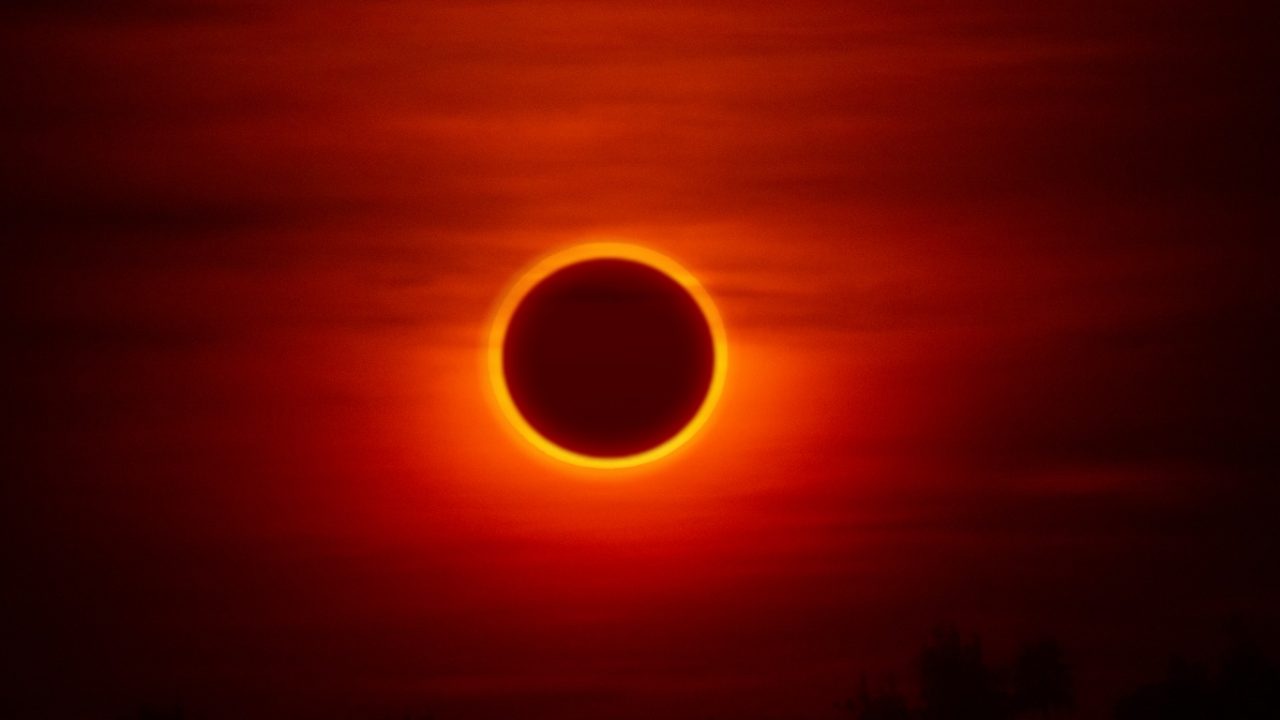
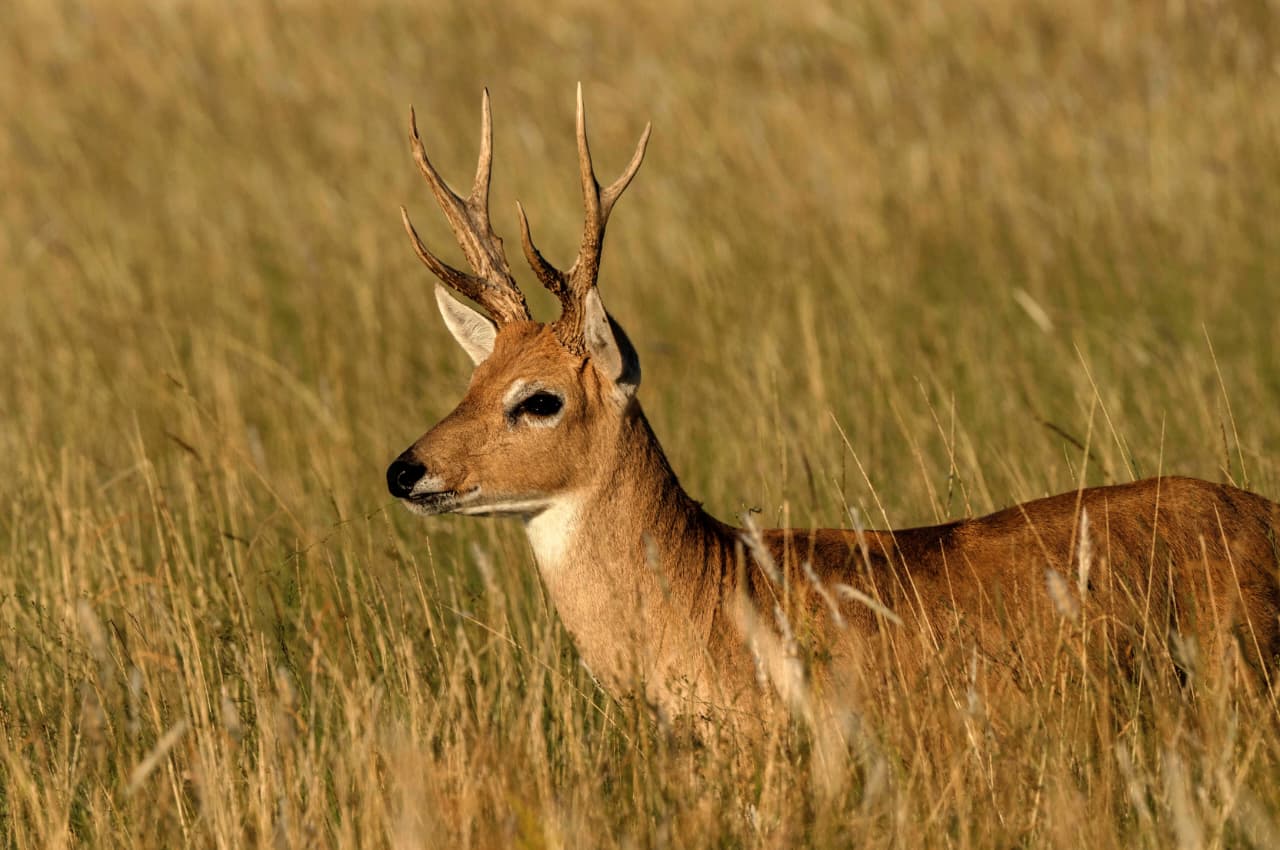
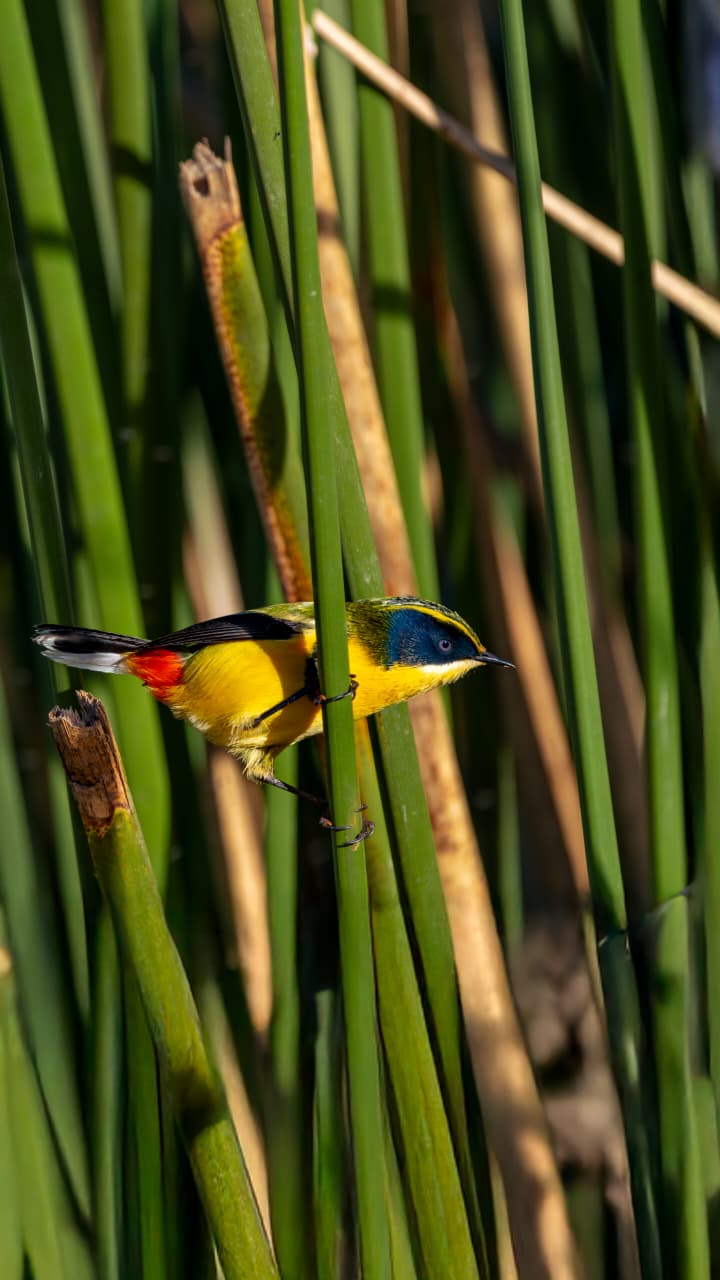
Five days in General Lavalle to witness the ring of fire and explore one of the most important wetlands on the Buenos Aires coastline, among Pampas deer and migratory birds. On February 6, 2027, the Moon will pass in front of the Sun in an annular solar eclipse, with over seven minutes of annularity visible from the Buenos Aires coast. It's one of the longest annular eclipses of the coming decades, and won't be visible again from this part of the continent until 2048. We chose General Lavalle as our base because, besides sitting within the path of annularity, it's the gateway to Campos del Tuyú National Park and Samborombón Bay, a wetland of international importance (Ramsar site) home to more than 180 bird species and one of the country's last remaining populations of Pampas deer. This trip combines both reasons to travel: the astronomical event and wildlife watching, in small groups of up to 14 people, at an easy difficulty level, designed for those who enjoy nature without needing a demanding physical challenge. We depart from Buenos Aires bound for General Lavalle. The first day is set aside for travel and rest, with no demanding activities. On arrival, we check into our accommodation and spend the afternoon getting to know the town and preparing for eclipse day. Dinner and rest are left free, with the focus on the observation that awaits the next day. In the morning we travel to the chosen observation point to witness the annular solar eclipse under the best possible conditions. For several minutes, the sky darkens and the temperature drops as the Moon forms the characteristic ring of fire around the Sun. In the afternoon, a boat trip along the Ría de Ajó in search of the Pampas deer, a small, endangered, endemic species of which only a couple hundred individuals survive across the whole of Samborombón Bay. We set out early for the Camino del Palenque, a rural route that crosses lagoons, grasslands and cattle ranches. It's home to Hudson's Canastero (espartillero pampeano), an endemic grassland species, along with southern screamers, snail kites and other species typical of the region. During the morning we make several stops to record sightings and learn about the ecological dynamics of the area, one of the last remaining stretches of this type of grassland in the province. After lunch in General Lavalle, the afternoon takes us to Canal 2, where the still waters and reed beds concentrate a large number of waterbirds, including herons and coots. After breakfast we head to Tapera de López, near San Clemente del Tuyú, to walk along the coast. There, the tides expose sandbanks and estuaries that are a required stop for shorebirds and migratory species arriving from North America. Later we visit the Port of San Clemente, a key spot to observe terns, herons and cormorants in their natural habitat. It's a day designed for those who enjoy both the coastal scenery and active bird watching. Before heading back, we make one last round of sightings at La Corvina, closing out the trip with a landscape typical of the Pampas coastline. We depart for Buenos Aires aiming to arrive in the mid-afternoon, avoiding the heaviest traffic of the Carnival long weekend. The trip ends, but the seven minutes of the ring of fire and the sightings of one of the country's last populations of Pampas deer stay with you. Accommodation is in General Lavalle, with breakfast included throughout the stay. Included: Not included: Price per person: $1,090,000 ARS (Argentine pesos). Payment options: [PENDING — confirm payment method for international clients; the interest-free installment plan offered to domestic customers typically requires a card issued by an Argentine bank and does not apply to international payments]. This trip brings together two experiences that don't come around often: an annular solar eclipse lasting over seven minutes, and one of the last refuges of the Pampas deer. Spots are limited to 14 people. Get in touch to reserve your spot or ask any questions before the trip. No. The trip is rated easy difficulty, and the guide accompanies the whole route explaining what's being observed at each point. The itinerary can be adapted for weather reasons, prioritizing completing all the planned activities or replacing them with equivalent ones. The exception is the eclipse observation: it happens at a fixed astronomical time that cannot be rescheduled or replaced, regardless of whether weather conditions affect its visibility. It's scheduled for the first available afternoon of the trip, precisely to leave room within the itinerary if wind or weather don't cooperate that day. It includes breakfast at the accommodation. The rest of the meals are not included. [PENDING — confirm what financing or payment plan, if any, is available to international clients.]Eclipse and Wildlife in Samborombón Bay
Introduction
Day-by-day itinerary
Day 1 – Arrival in General Lavalle — See details
Day 2 – Annular eclipse and a boat trip on the Ría de Ajó — See details
Day 3 – Camino del Palenque and Canal 2 — See details
Day 4 – Tapera de López and the Port of San Clemente — See details
Day 5 – La Corvina and return — See details
Trip highlights
Accommodation and inclusions
Price and payment
Reserve your spot
Frequently asked questions
Do I need previous bird-watching experience?
What happens if the weather doesn't cooperate for one of the excursions?
Can the Ría de Ajó boat trip be rescheduled?
Does the price include meals?
Is financing available?
February 5–9, 2027 4 nights / 5 days Maximum group size: 14 people Difficulty: easy Price from $1,090,000 ARS [PENDING: payment terms for international clients]