
Sierras de Famatina
Where are the Sierras of Famatina? A Unique Environment Climate Flora Fauna History
Located in the heart of La Rioja, these mountains are part of the Sierras Pampeanas. Cerro Nevado de Famatina, also known as General Belgrano, reaches 6,250 meters and serves as a boundary between several departments of La Rioja. It lies within the so-called Arid Diagonal, connecting deserts and mountains from the Atacama to Patagonia.
The Sierras of Famatina are the highest extra-Andean range in Latin America. Their elevations create a distinctive ecosystem with endemic species and vegetation that transitions from mesophilic at mid-altitudes to glacial zones where no plants thrive.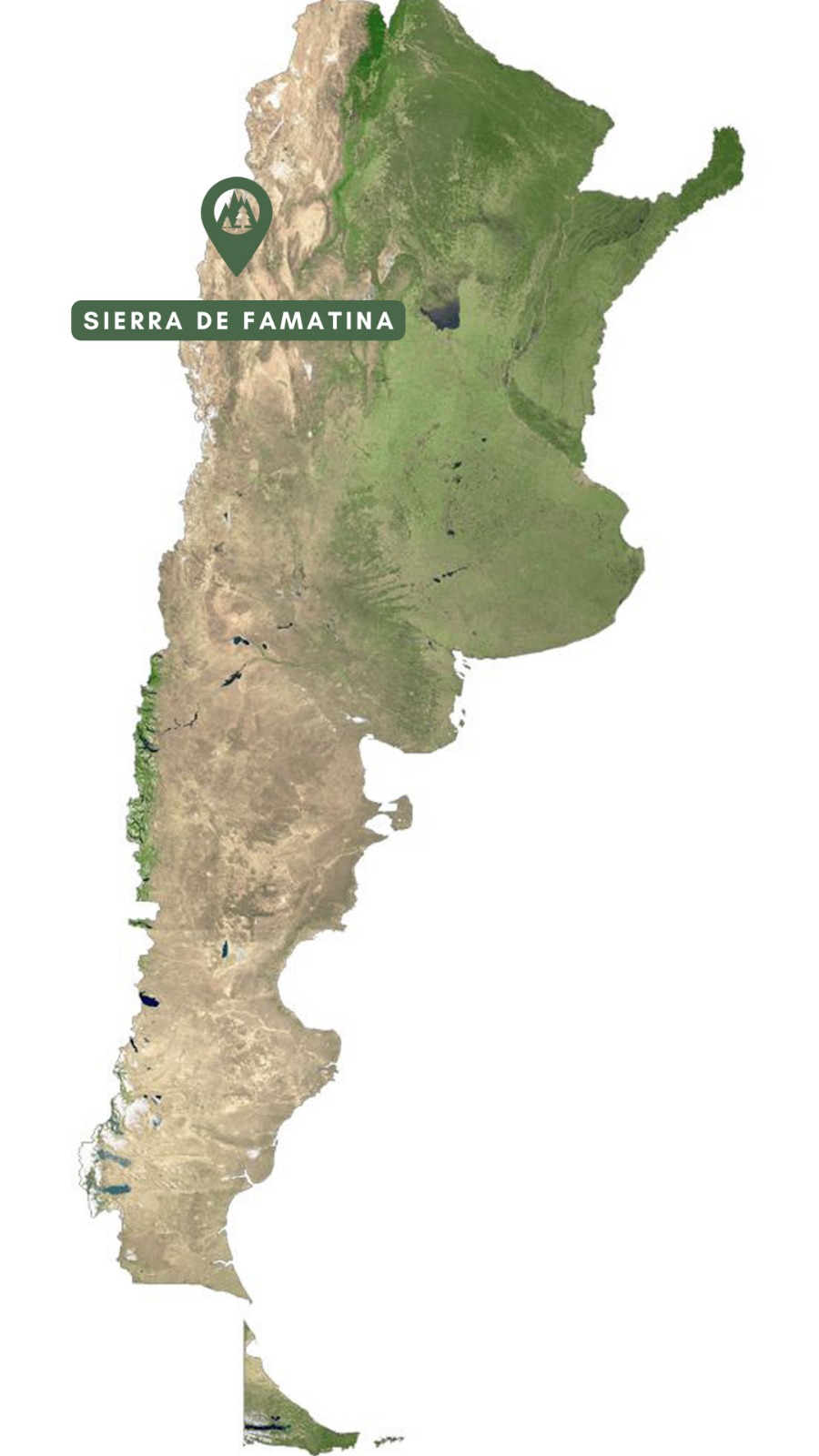
With precipitation concentrated in summer and occasional winter snowfalls, strong westerly winds are common at the highest peaks, shaping the extreme climate that defines Famatina’s landscape and life.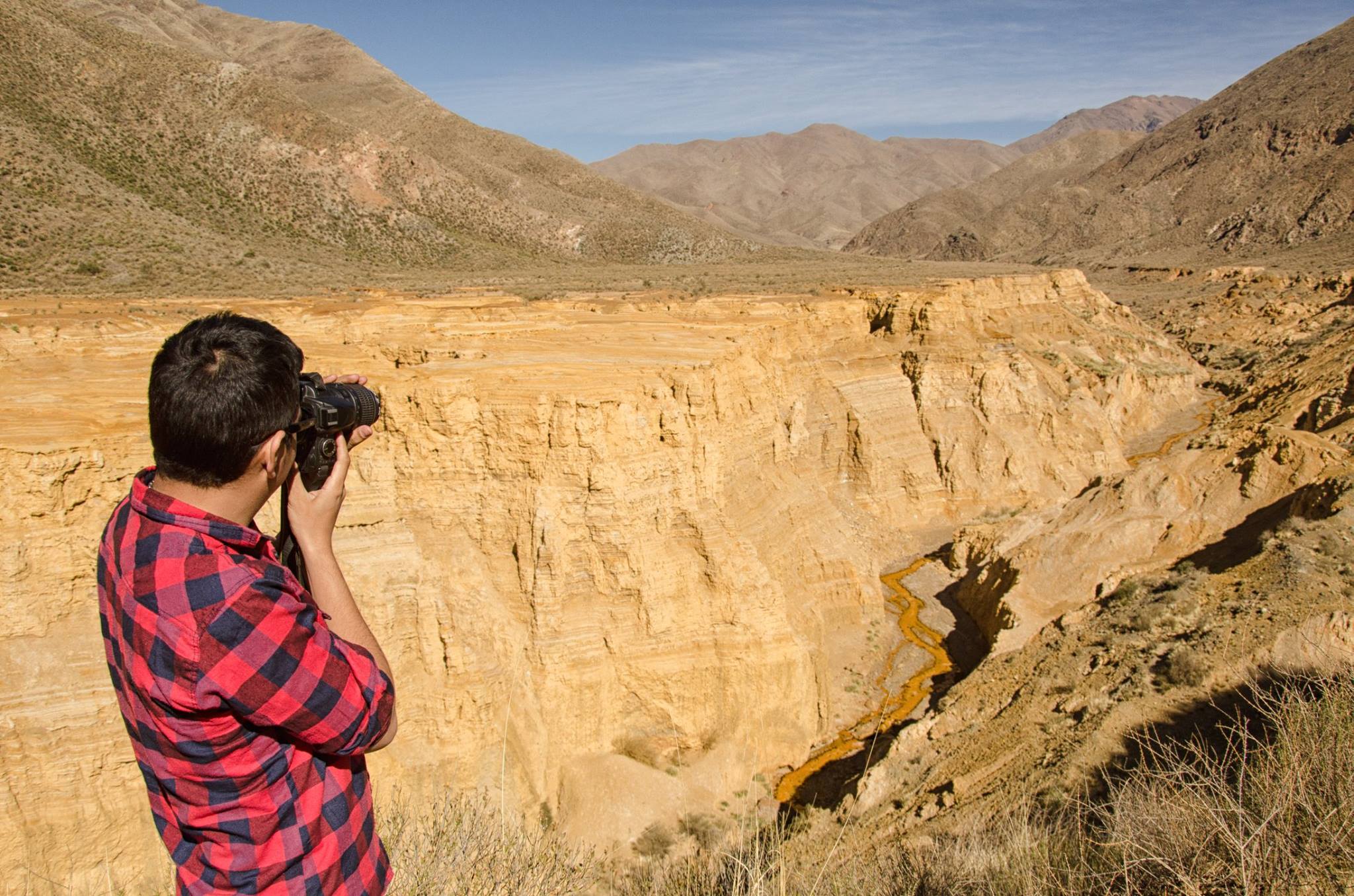
The flora includes endemic cacti such as Lobivia famatinensis and Trichocereus cabrerae, along with medicinal and aromatic plants like muña muña and jarilla. Wetlands and vegas are biodiversity hotspots, crucial for hydrological cycles and resource provision in this arid region.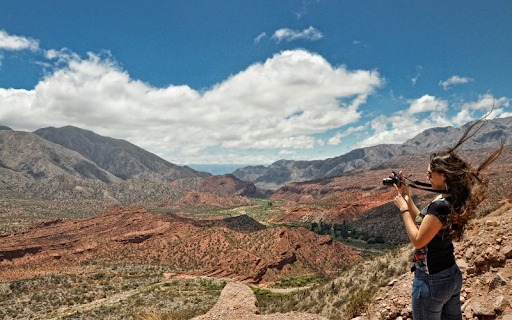
The fauna includes iconic species such as the taruca, Andean condor, and guanaco, alongside giant hummingbirds and spiny-tailed lizards. Many of these species face threats due to their small populations and ecological dependencies.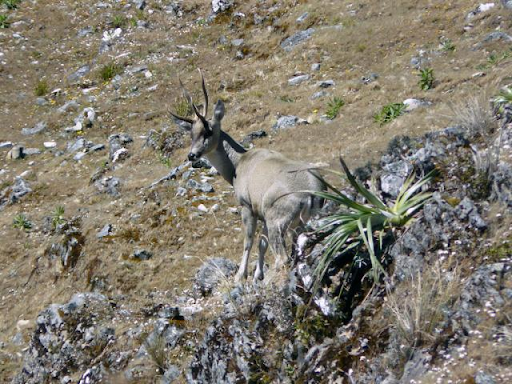
From the Incas to modern mining, the Sierras of Famatina have been a stage for stories of exploitation and resistance. In the 20th century, the local community organized against open-pit mining, prioritizing water conservation and natural resource protection under the slogan "El Famatina no se toca" (Famatina must not be touched).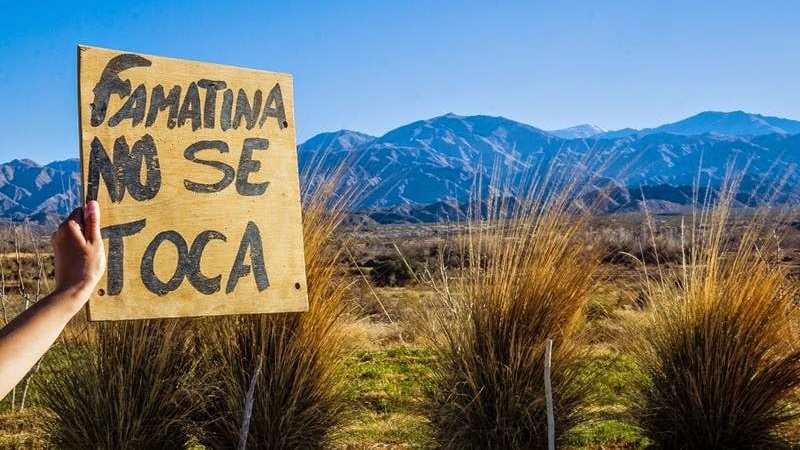
If you want to explore the Sierras of Famatina, we recommend the La Rioja - Talampaya National Park Tour