Patagonia Park & Cueva de las Manos — The wild heart of northwest Santa Cruz
Patagonia Park & Cueva de las Manos — The wild heart of northwest Santa Cruz
Conservation, biodiversity and rock art in the Río Pinturas Canyon. Where it is, why it matters, and how to visit responsibly.
? A territory reclaimed by nature
Across the plateaus of northwest Santa Cruz, where the steppe opens into deep canyons and valleys, stretches Patagonia Park—one of Argentina’s youngest protected areas. The project grew from the partnership between Rewilding Argentina and the national government, aiming to restore a landscape once devoted to extensive sheep ranching.
Today, former grazing lands are becoming a thriving habitat again: pumas, guanacos, Darwin’s rheas, foxes and condors are seen frequently. The ecosystem is regenerating, and visitors can hike trails that show wildlife reclaiming the territory.
.jpg)
? A sanctuary of biodiversity and landscape
The Río Pinturas Canyon carves through the park: a deep valley of red walls sculpted over millennia. Around it, unmissable trails unfold:
- Tierra de Colores: a short walk among multicolored formations.
- Los Balcones: a viewpoints circuit over the canyon, with frequent condor sightings.
- Bajada de Los Toldos: a more demanding route descending to the valley floor.
Patagonia Park is a key node in the Andean–Patagonian biological corridor, connecting ecosystems and enabling species movement.

?? Cueva de las Manos: Patagonia’s oldest art
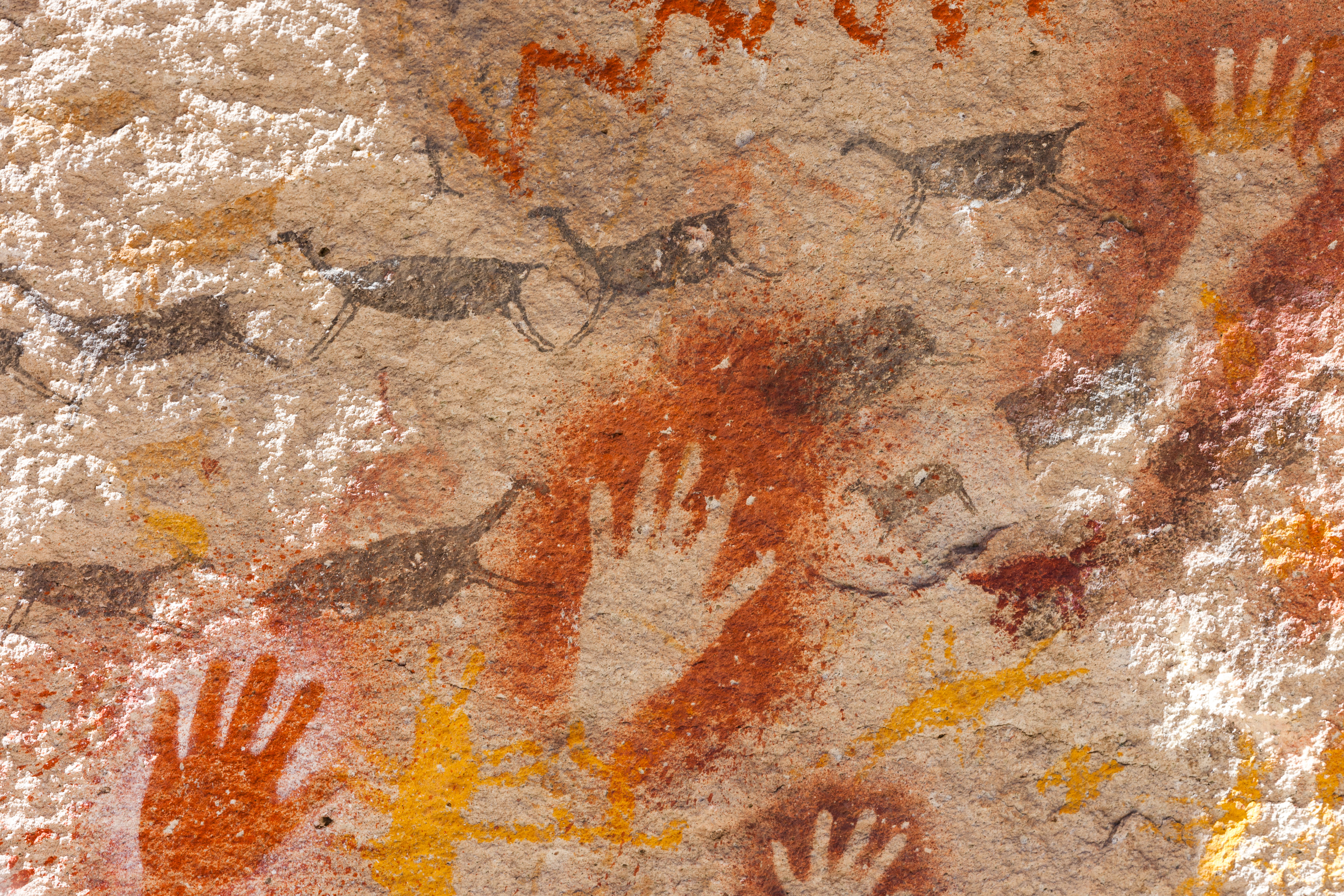
At the heart of the canyon lies Cueva de las Manos, a UNESCO World Heritage site. Its rock paintings, over 9,000 years old, depict human hands, guanacos and hunting scenes. Visits are on foot with licensed guides, blending historical significance with the thrill of the landscape.
Boardwalks protect the site, allowing contemplation without impacting the rock surface—a meeting with the region’s earliest cultures and with the immensity that still defines this territory.
? Conservation and current challenges
The park’s ecological restoration is a landmark rewilding case in Argentina: recovering native fauna, managing grazing and promoting low-impact travel have helped reverse environmental degradation.
Challenges remain: controlling exotics, protecting wetlands and strengthening ties between conservation and local livelihoods. Lodging ventures, guide cooperatives and regional products are now part of the conservation model.
??? How to visit
The area can be explored from several bases:
- Perito Moreno (town) and Los Antiguos as main gateways.
- Access via Provincial Route 43, with well-maintained gravel sections.
- Open portals: Cañadón Pinturas, La Ascensión and La Esperanza.
- More than 50 km of trails for trekking, viewpoints, wildlife watching and cultural visits.

? Experience it with Centinela Explora
Want to explore Patagonia Park and Cueva de las Manos with expert guides and seamless logistics?
? See the full small-group tour
You may also like: Islas y Canales del Río Uruguay
Frequently asked questions
Where is Patagonia Park?
In northwest Santa Cruz (Argentina), near Perito Moreno and Los Antiguos, accessible via Provincial Route 43.
What’s the best time to go?
October–April for longer days and better road conditions.
Can I visit Cueva de las Manos without a guide?
Access to the archaeological site is with a licensed guide and subject to the visitor center’s schedules and quotas.