
Nahuel Huapi National Park
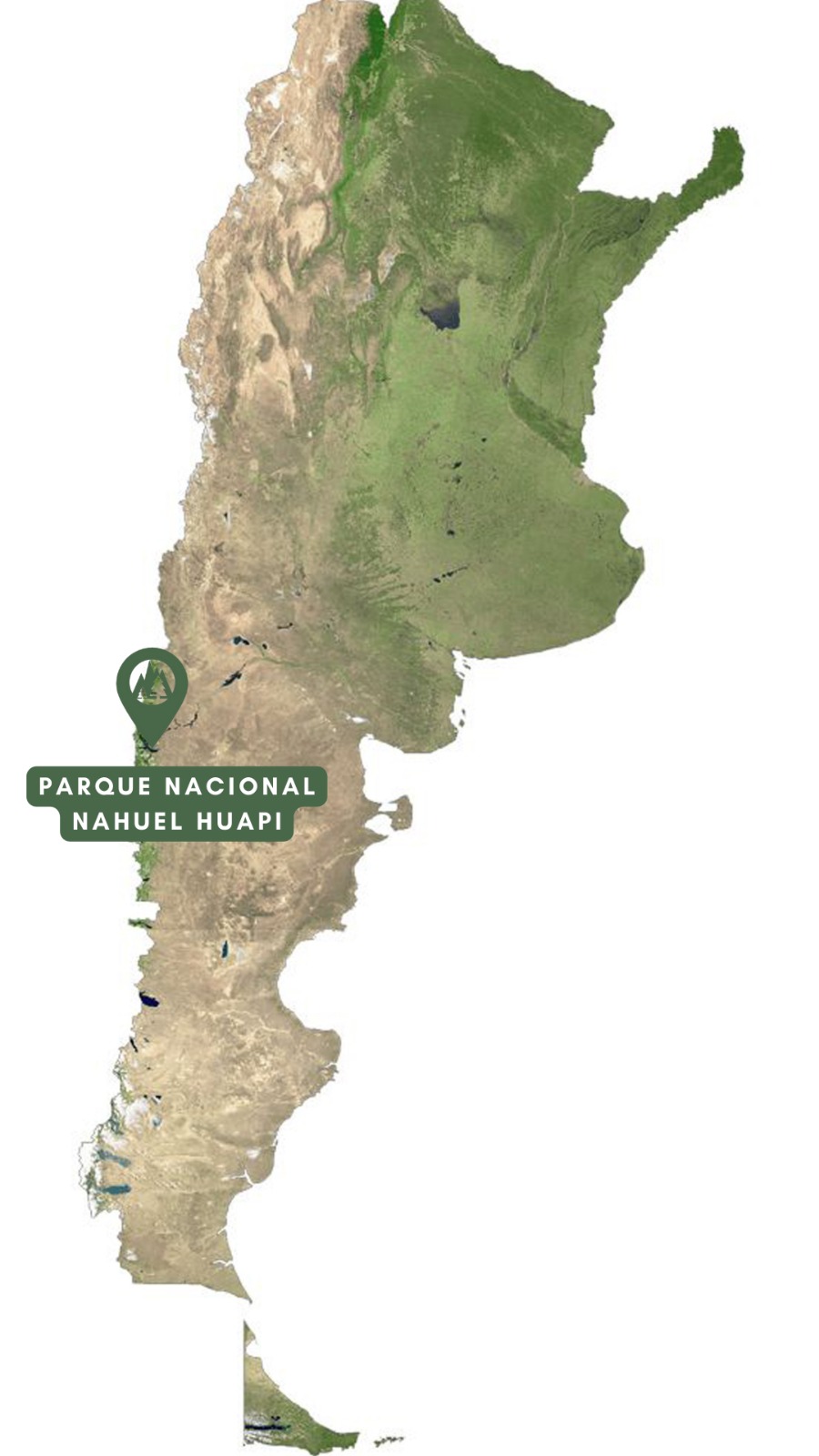
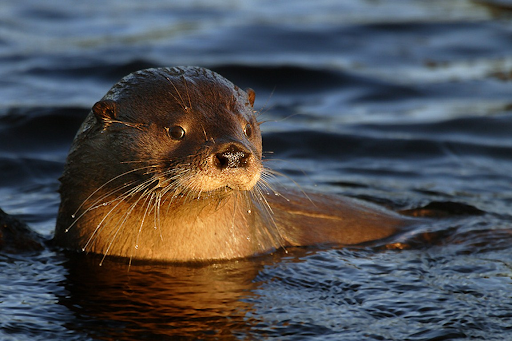
Nahuel Huapi National Park is located in Northern Patagonia, spanning the provinces of Río Negro and Neuquén. With over 717,000 hectares, it was the first national park in Argentina and one of the most iconic natural reserves in South America. Its landscapes combine Andean peaks, glacial lakes, and the steppe, making it a year-round destination for trekking, wildlife watching, and cultural history. Nahuel Huapi has a temperate-cold climate with strong seasonal contrasts. Winters (June–September) are humid with average temperatures between 2°C and 4°C and frequent snowfall, especially in the Andes. Summers (December–March) are dry, with averages of 14°C to 16°C. Rainfall ranges from 4,000 mm annually in the mountain areas to just 600 mm in the steppe. The best time for trekking is from November to April, when trails are open and conditions are stable. The park protects Andean-Patagonian forests with coihues, lengas, ñires, and myrtles, as well as steppe vegetation like coirón and neneo. In wetter areas, you can find mañiúes and ancient alerces. Wildlife highlights include the endangered southern river otter (huillín), Andean condor, puma, and huemul deer. Endemic species such as the Chalhuaco frog and the colonial tuco-tuco enrich its biodiversity. In 1903, Francisco P. Moreno donated land that gave birth to the National Park of the South, which later became Nahuel Huapi National Park in 1934. This landmark act created the first national park in Latin America. The park also houses Argentina’s first forest nursery, now an internationally recognized botanical garden. If you enjoy trekking in Patagonia, don’t miss our exclusive trekking adventure in Perito Moreno National Park.Nahuel Huapi National Park: Complete Guide to Explore Patagonia’s First National Park
Climate and Best Time to Visit
Flora and Fauna
History
Top Hiking Trails
Frequently Asked Questions