
Laguna Brava Reserve
Location Environment Climate Flora Fauna It presents a varied biodiversity associated with the wetland, with abundant summer populations of endemic and/or threatened water birds, such as the High Andean Flamingos, Greater Parina (Phoenicoparrus Andinus) and Parina Chica (Phoenicoparrus jamesi) and isolated nesting events of both species. History Where is Laguna Brava? A High-Altitude Sanctuary An Extreme Climate Adapted Flora Wildlife History and Culture
It is located in the extreme northwest of the province of La Rioja and borders to the west with the Republic of Chile and to the south with the Province of San Juan.
Surface The reserve covers an approximate area of ??405,000 hectares.
It is a system of shallow saline and hypersaline high Andean lagoons with associated wetlands (plains), located above the level of 3000 meters above sea level.
The Laguna Brava system has numerous endorheic basins that form lagoons located above 3500 m. Among the most important is Laguna Brava, which has an extensive body of water 17 km long by 3 km wide and covers an area of approximately 5,000 hectares, located at about 4,230 m. Another important lagoon is the Laguna de Mulas Muertas, to the north of the previous one, at 4000 m. and with an approximate area of 700 hectares.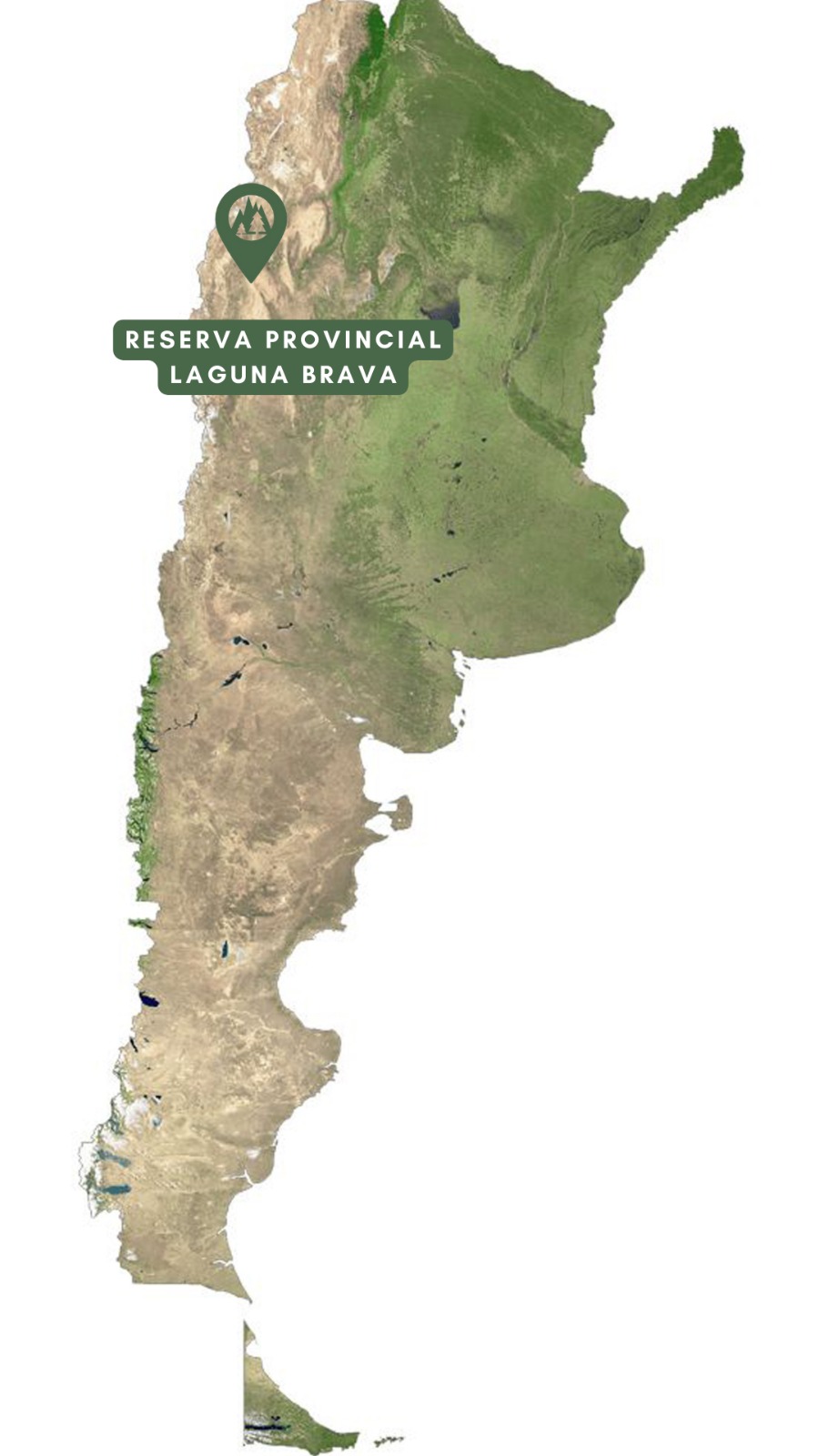
The climate is called arid Andean Puno, very characteristic of altitudes greater than 4000 meters above sea level, with great thermal amplitude where low temperatures predominate with strong west winds and snowfall during the autumn and winter months.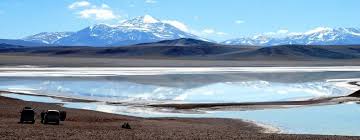
Within the reserve, halophilic flora predominates, that is, those that occur in lagoons with very high amounts of salt in the water. On the slopes of the reserve you can find extensive grasslands where different types of shrubs are found, highlighting the jarillares and the xerophilous, however these disappear as you advance in the area.
Away from the grasslands, the vegetation begins to be typical of the Andes area.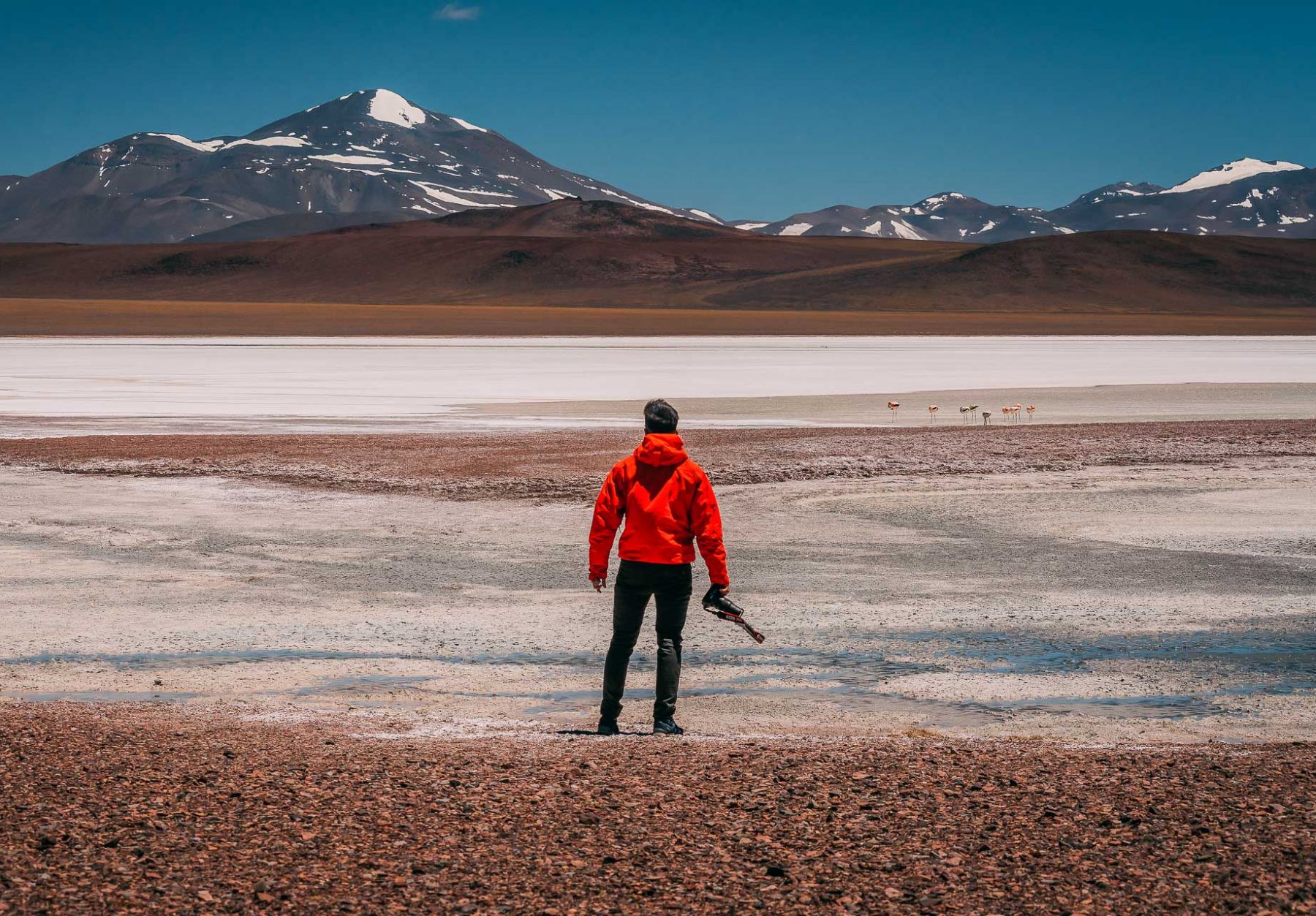
These flamingos are considered migratory according to the definition of the Convention on the Conservation of Migratory Species of Wild Animals (CMS) since they regularly cross the international borders of the four countries in the area in which they live, Argentina, Bolivia, Chile and Peru. It is a wildlife refuge mainly for camelids: vicuñas (Vicugna vicugna) and guanacos (Lama Guanicoe).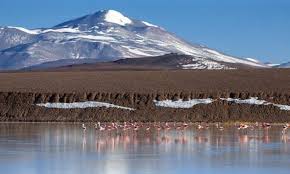
The region was historically used by the Incas as a transit to Chile and as an important enclave for the domination of local trans-Andean populations. There are important cultural values ??in the reserve area, mainly archaeological remains, such as tamberías or Inkaic Tampus and ceremonial platforms such as at the summit of the Veladero volcano (6436 m) whose origin and antiquity have not yet been determined.
If you want to know Laguna Brava, we recommend the LA RIOJA TOUR - TALAMPAYA NATIONAL PARK
Located in the northwest of La Rioja province, Laguna Brava borders Chile to the west and San Juan to the south, offering unique high-altitude landscapes.
Spanning 405,000 hectares, this reserve is home to high-Andean lagoons such as Laguna Brava, with a water surface of 17 km in length, and Laguna de Mulas Muertas, situated above 4,000 meters.
The Andean-Puna climate is characterized by low temperatures, strong westerly winds, and snowfall during autumn and winter, creating a unique environment for wildlife adapted to these conditions.
The reserve hosts halophytic flora, thriving in saline lagoons, and extensive grasslands that transition to Andean vegetation at higher altitudes.
Laguna Brava is a haven for Andean flamingos and camelids like vicuñas and guanacos, along with other species adapted to this environment. It is also a vital refuge for migratory birds that traverse Argentina, Bolivia, Chile, and Peru.
Historically used by the Incas as a route to Chile, the region preserves significant archaeological remains, including tamberías and ceremonial platforms, highlighting its cultural legacy.
If you wish to explore Laguna Brava, we recommend the La Rioja - Talampaya National Park Tour