
Iguazu National Park
Where is Iguazú National Park? A Protected Space Diverse Environments Climate Flora Fauna History
Located in northeastern Argentina, in Misiones, and southern Brazil, in Paraná, this park spans both countries and forms part of the Atlantic Forest.
Covering a combined area of 236,000 hectares, it protects the biodiversity of the Atlantic Forest, which stretches from Brazil to eastern Paraguay and Misiones.
From tall forests with palm trees and rosewood to riparian forests with cane fields, this park offers a variety of landscapes that support unique species adapted to these ecosystems.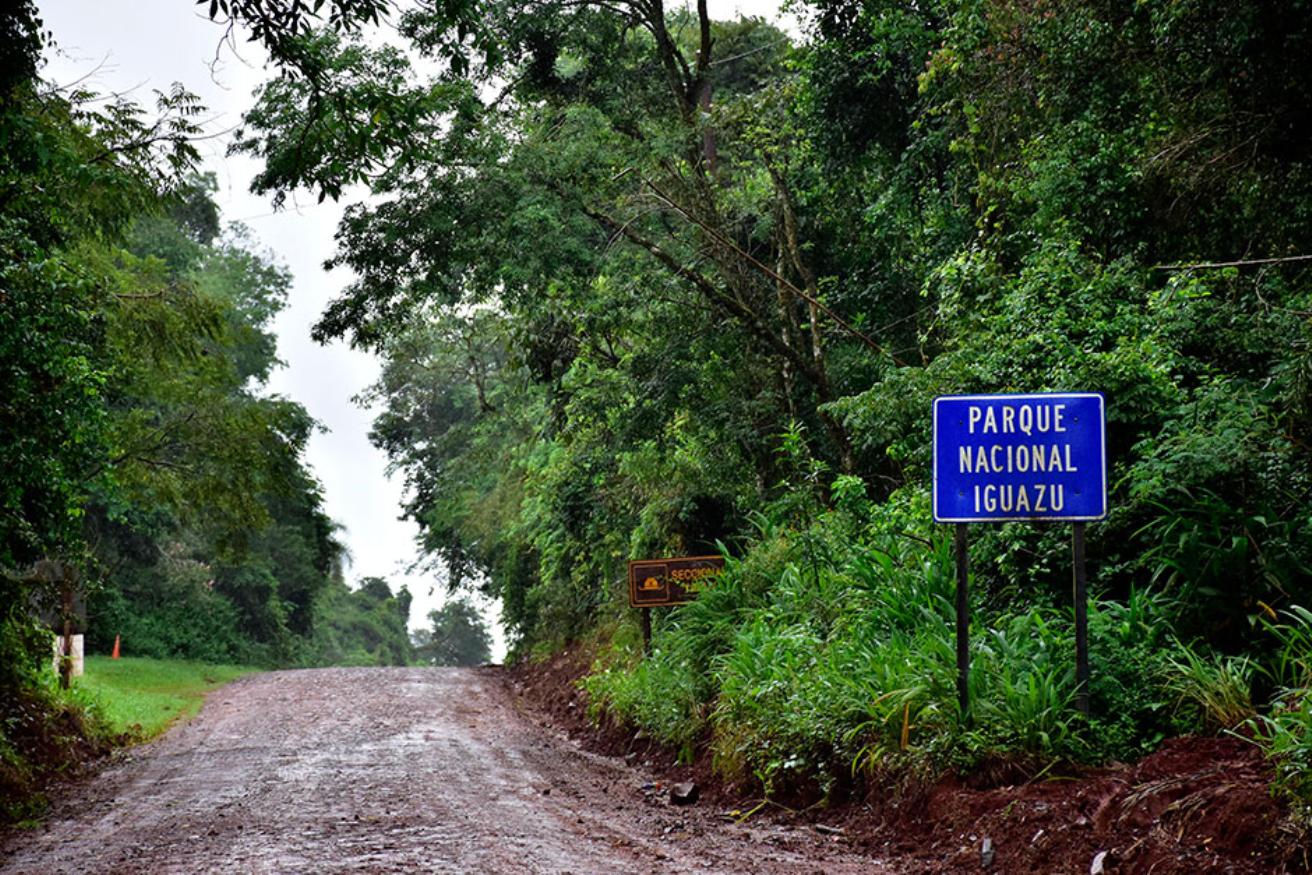
With a warm and humid subtropical climate, the park receives 1800 mm of annual rainfall, mostly in summer. Temperatures range from 24°C in summer to 14°C in winter, making it a year-round destination.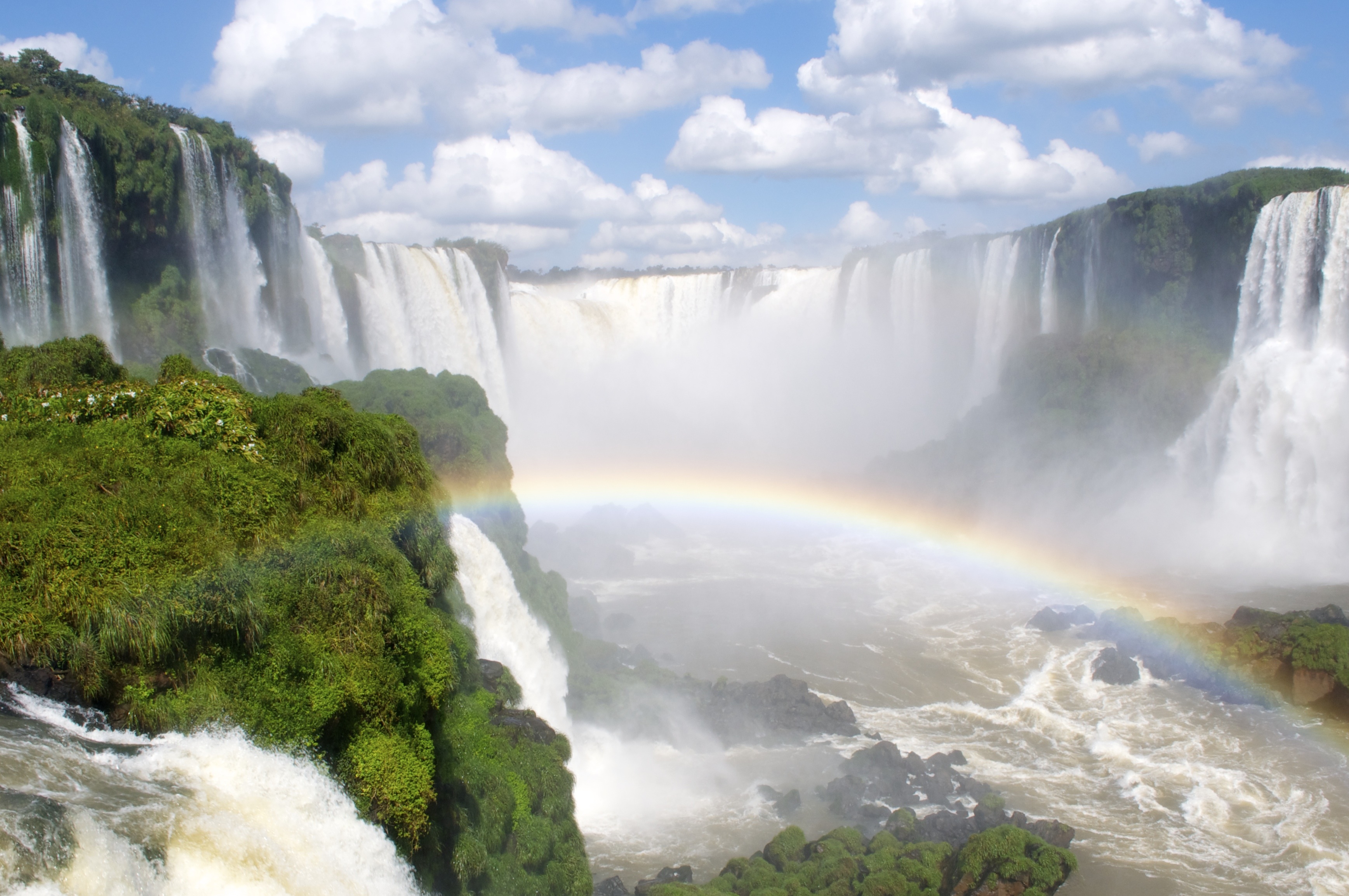
The lush Atlantic Forest boasts lianas, epiphytes, and ferns. Towering trees like rosewood dominate the landscape, alongside species like laurel and guatambú.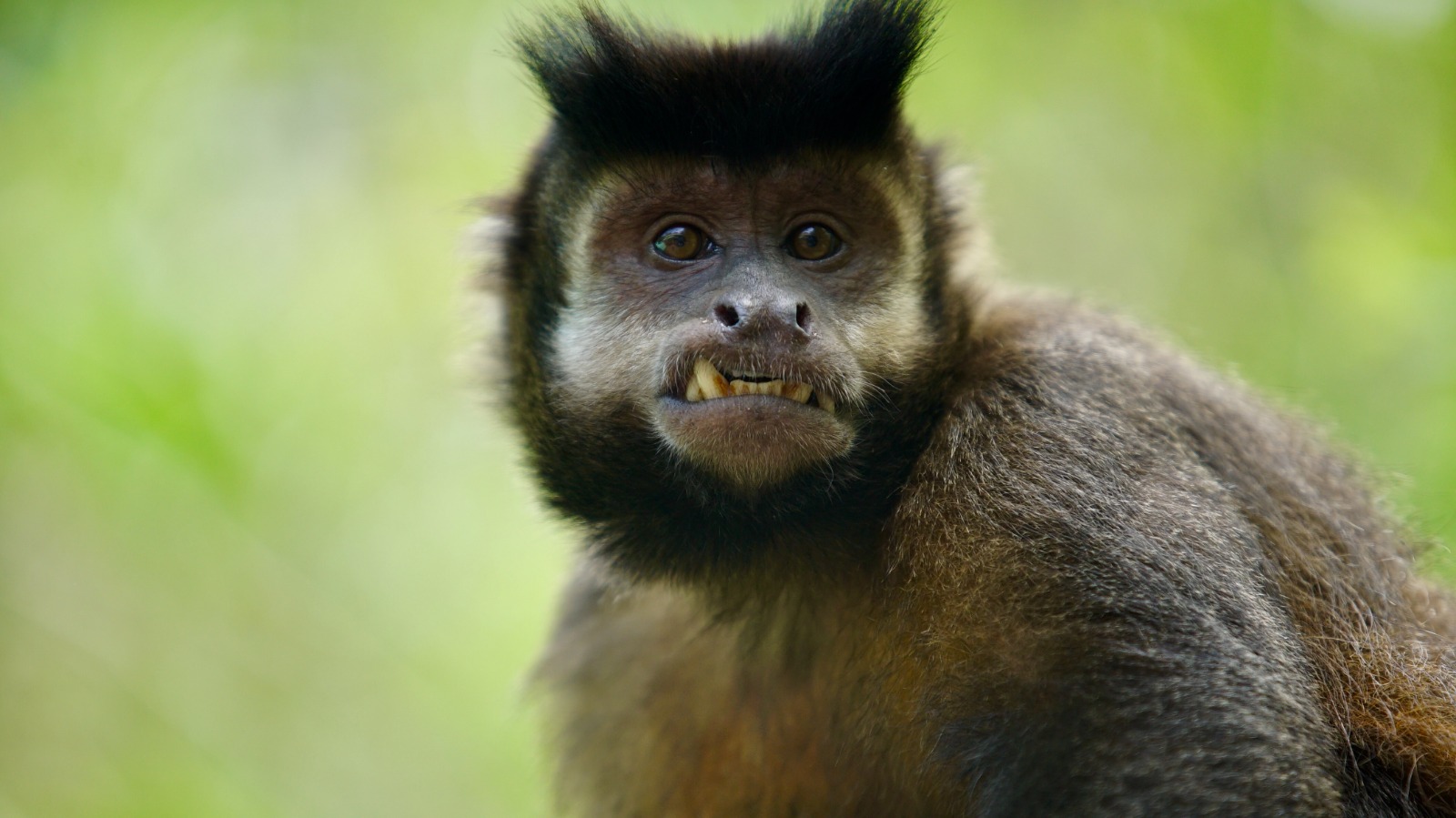
This park is home to over 450 bird species, capuchin monkeys, coatis, and the iconic jaguar, along with aquatic species like cormorants and caimans. Visitors are reminded not to feed the wildlife to prevent disrupting their natural behavior.
Created in 1934, Iguazú National Park emerged as a geopolitical initiative to protect biodiversity and foster regional development. It stands as an example of how conservation can drive local economic growth.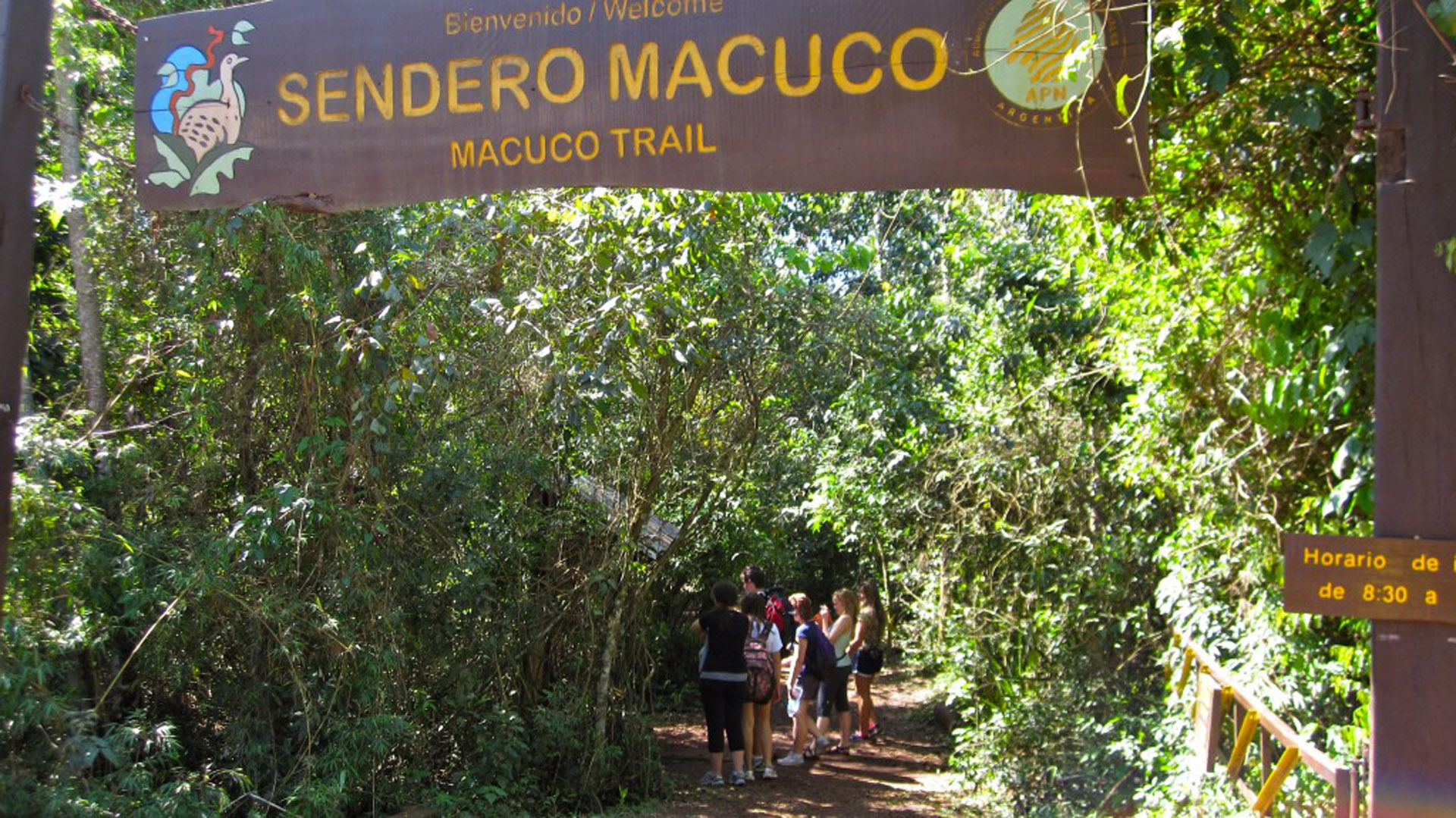
If you want to explore Iguazú, we recommend the Iguazú National Park Tour