
Parque Patagonia in January: Marble Caves, Cueva de las Manos and Endless Steppe
In January 2026, a Centinela Explora group traveled through southern Patagonia among landscapes that are hard to believe are real. A multi-day journey across the steppe, Lake General Carrera and the region's most important archaeological sites.
The trip many had been postponing
There are destinations people spend years wanting to see and always put off for later. Deep Patagonia — not Bariloche, not El Calafate — tends to be one of them. Southern Santa Cruz Province, Lake General Carrera, the canyons of the Pinturas River. Landscapes people see in photos and find hard to believe are in Argentina.
The January 2026 departure had exactly that flavor: several travelers arrived after years of putting it off. And the trip delivered.
"I left Buenos Aires expecting to see something nice. I didn't expect it would be this hard to leave."
The Marble Caves
The Marble Caves are the kind of place that takes a moment to register as real. White and blue marble formations carved by water over thousands of years, rising from Lake General Carrera — one of the deepest lakes in South America, with a turquoise color that shifts with the light and time of day.
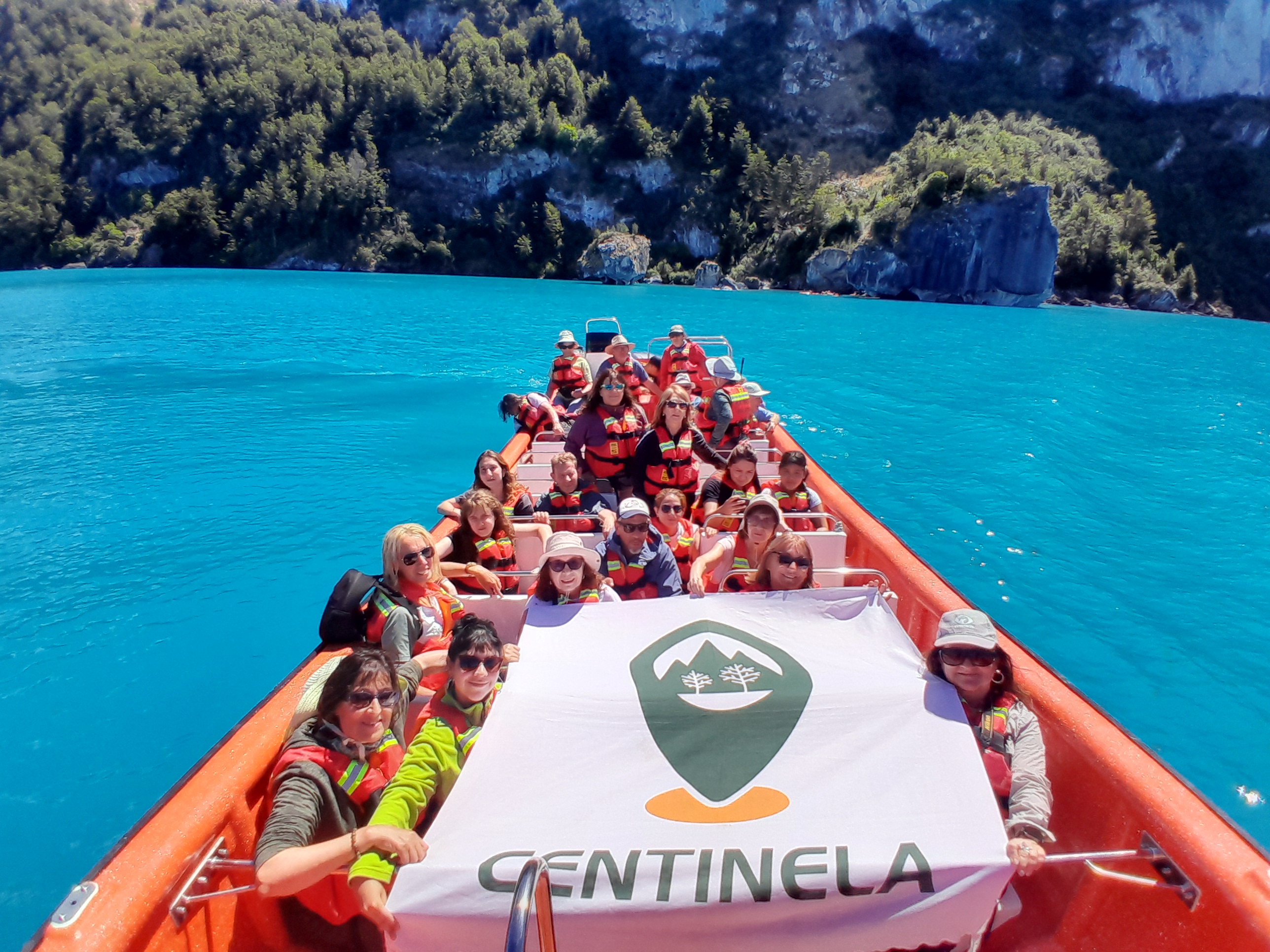
Access is by boat from Puerto Río Tranquilo, navigating between marble caves and arches just centimeters from the water. There aren't really words for it — and photos don't fully capture it either, though the group certainly tried.
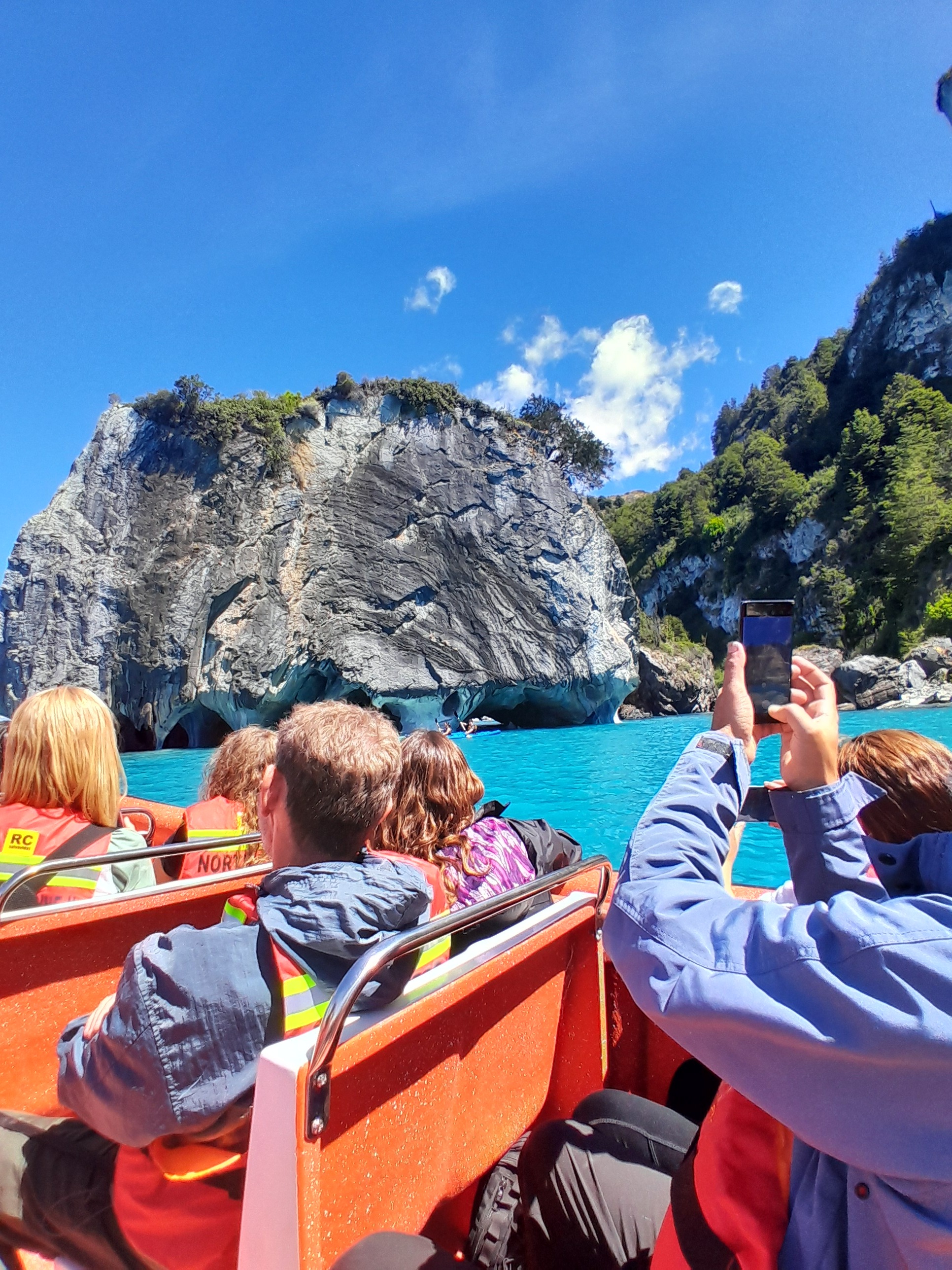
"I was taking photos the whole time and at some point I put the camera away. I wanted to see it with my own eyes, not through a screen."
Cueva de las Manos
A few hours north, in the canyon of the Pinturas River, Cueva de las Manos is one of the most important archaeological sites in South America — declared a UNESCO World Heritage Site in 1999. The rock paintings are between 9,000 and 13,000 years old and show negative handprints, guanaco figures and geometric shapes in remarkable condition.
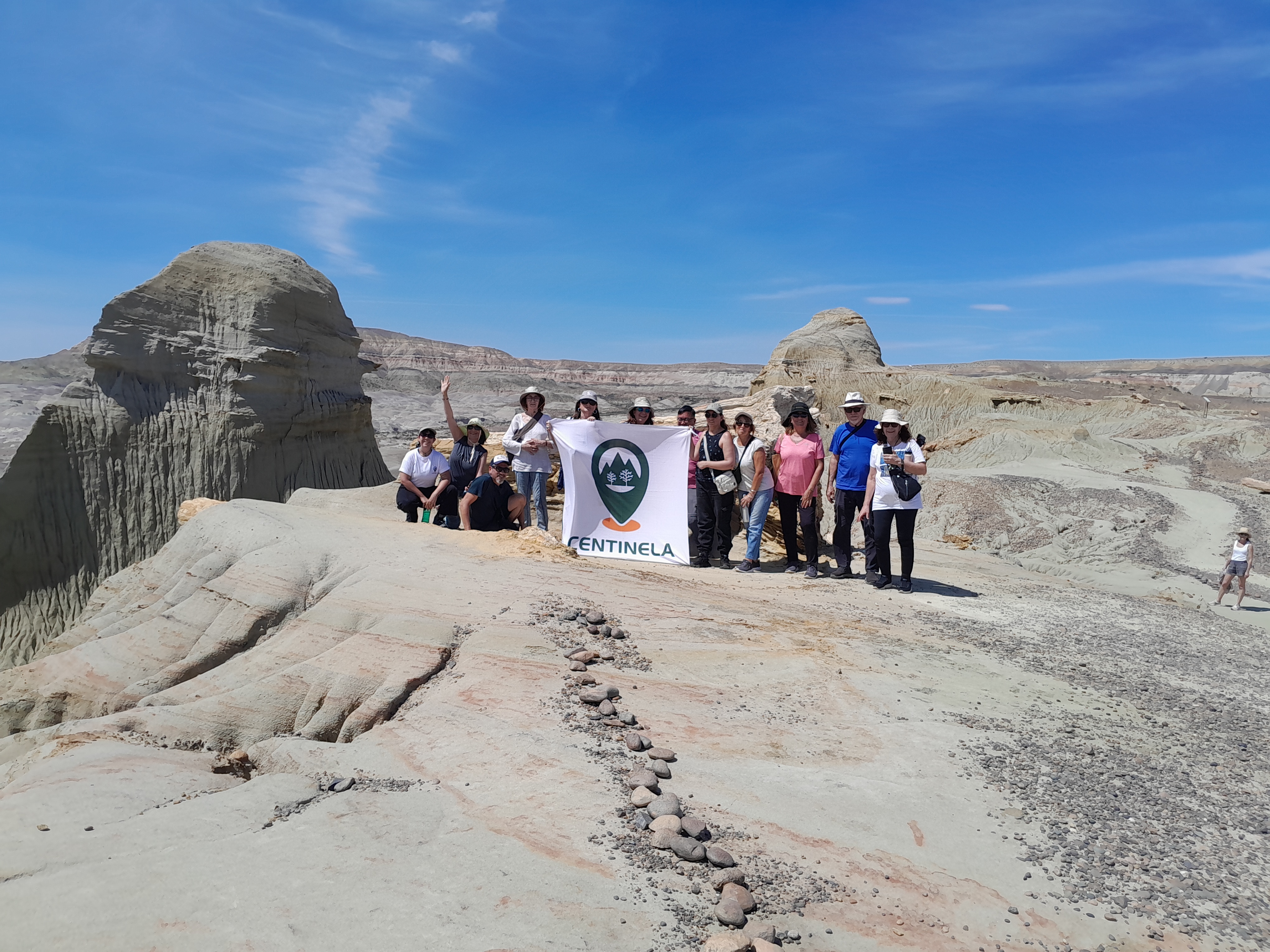
The guide explained the theories about their origin — who these human groups were, why they chose this place, what these images meant — and the group listened in a silence that didn't need to be asked for. Some sites command respect on their own.
Parque Nacional Patagonia and the steppe
Parque Nacional Patagonia, created in 2014 from land donated by Tompkins Conservation, is one of the most ambitious conservation projects in Argentina. Its goal is to restore the Patagonian steppe ecosystem and reintroduce wildlife that had disappeared from the region.
The landscape has an openness that's disorienting at first: the Patagonian steppe doesn't have the immediate drama of a snow-capped mountain or a waterfall. You have to learn to read it. And once that happens — once your eye starts picking out guanacos in the distance, rheas running through the scrub, condors gliding without a wingbeat — the steppe becomes hypnotic.
"I didn't expect such an open landscape to hold so much life. Every time we paid closer attention, something new appeared: a guanaco, a condor, a fox crossing in the distance."
A journey worth keeping
Deep Patagonia is not a trip of comforts: the roads are long, the wind is constant and the distances between one point and another can surprise anyone not used to the region's scale. But it's exactly that scale — that sense of being in a place where nature hasn't been tamed — that makes those who went want to go back.